


Who pays for public transportation injuries in Chicago?
Personal Injury - April 8, 2026 by Horwitz, Horwitz & Associates
For a lot of people in Chicago, public transit is part of everyday life. You take the L to work or catch a CTA bus home. But when something goes wrong (especially in the middle of winter), it can leave you hurt and unsure what to do next. The first question most people ask is: who’s responsible? The answer depends on what caused the accident.
If you’re not sure where to start, it helps to talk through the situation with a Chicago personal injury lawyer early. These cases can move quickly, especially when a government agency is involved.
What types of public transportation accidents happen in Chicago?
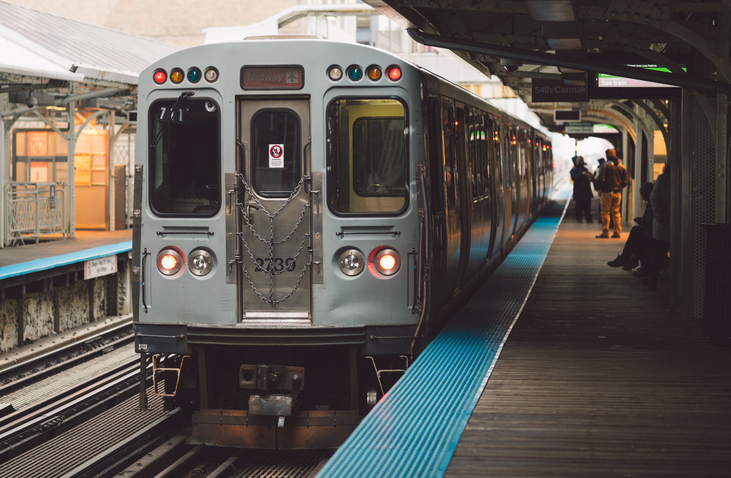
Chicago’s transit system runs constantly. CTA buses, the L, Metra trains, and Pace buses carry people around the city every day. With that kind of volume, accidents aren’t rare.
Some involve bus crashes or sudden stops that throw riders forward. Others happen on train platforms or stairways, especially when surfaces are wet or uneven. People also get hurt getting on or off vehicles, or when buses and trains are overcrowded.
Winter adds another layer. Ice on a platform or slush on bus steps can turn an otherwise normal commute into a situation where someone gets hurt. When those conditions aren’t handled properly, that’s when liability becomes an issue.
Does the CTA automatically pay if you’re injured?
The CTA doesn’t automatically cover your injuries just because the incident happened on its property or vehicles. You still have to show that something went wrong and that it could have been prevented.
That usually comes down to negligence. Maybe a driver wasn’t paying attention. Maybe maintenance was ignored. Maybe a dangerous condition wasn’t addressed in time. The burden is on the injured person to prove that connection.
That’s one reason these cases feel different from a typical accident. You’re not just dealing with what happened. You’re also dealing with a system that has rules in place to protect the agency.
What if another driver caused the crash?
Not every bus accident is the CTA’s fault. If another driver runs a red light or cuts off a bus, that driver may be the one responsible for what happens next.
Even then, it’s not always that simple. There are situations where more than one party shares responsibility. A driver may have caused the initial crash, but the bus driver’s response or the condition of the vehicle can still matter.
Sorting that out takes a closer look at the details—police reports, witness statements, and sometimes surveillance footage. The goal is to identify everyone who played a role, not just the most obvious one.
Are public transit injury claims different from car accidents?
They are. When you’re dealing with a government agency like the CTA, the rules aren’t the same as in a typical car accident case.
One key difference in Chicago is how slip and fall injury claims are handled, especially in winter. Illinois follows what’s called the natural accumulation rule, which means the CTA isn’t automatically responsible for injuries caused by natural snow or ice. But if employees made the condition worse, like piling snow in a walkway or failing to address a known hazard, that can change things.
These cases also tend to involve more documentation and stricter standards for proving what went wrong. You’re often dealing with surveillance footage and internal maintenance records, not just a police report like you would in a car accident. Because of that, public transit claims usually require a closer look at the details and how the agency handled the situation, not just the fact that an injury occurred.
Who’s responsible for injuries at CTA stations or platforms?
The CTA is expected to keep its stations and platforms reasonably safe. When that doesn’t happen, and someone gets hurt, there may be a valid claim. That can include untreated ice, spills left too long, broken handrails, or overcrowding that wasn’t properly managed. In a city like Chicago, winter is often when these cases come up.
There’s a difference between a naturally slippery surface and a situation that wasn’t handled the way it should have been. That distinction matters when figuring out whether the CTA can be held responsible.
What compensation can you recover after a public transportation injury?
An injury on public transit can affect more than just your commute. It can impact your ability to work, take care of your family, and go about your day. A personal injury claim can account for those losses. That often includes medical bills and the cost of ongoing care if the injury doesn’t fully heal. It can also include the physical pain and disruption the injury caused.
Every case is different. The value depends on how serious the injury is and how much it changes your day-to-day life.
What should you do after getting hurt on public transit?
After an accident, your health is the priority. Get medical care as soon as you can, even if you think you’ll be fine.
It also helps to report what happened. Whether it’s a CTA employee or transit police, make sure there’s a record of the incident. If you’re able, take photos of the scene and get names from anyone who saw what happened.
Before speaking in detail with the transit authority or an insurance company, it’s worth getting advice. Early decisions can affect how your claim plays out later.
How long do you have to file a claim in Illinois?
If your injury involves the CTA or another public transportation agency, you generally have one year to file a lawsuit under Illinois law. This shorter deadline stems from the state’s rules for claims against government entities, and that deadline can loom sooner than most people expect. Waiting too long can close the door on your claim completely. Even if you’re unsure whether you have a case, it’s better to ask sooner than later.
Talk with a lawyer after a public transportation injury in Chicago
A routine ride on the L or a bus shouldn’t leave you dealing with medical bills and missed paychecks. But when it does, it helps to understand what your options are and who may be responsible.
Horwitz, Horwitz & Associates works with people across Chicago who’ve been injured on public transit, whether that happened on a CTA bus, a Metra train, or a crowded platform in the middle of winter. If you want to talk through what happened, call (800) 985-1819 or contact us online for a free consultation.
