
Does VA disability offset Illinois’ workers’ compensation?
Workers Compensation - May 1, 2026
If you’re a disabled veteran injured on the job, you may worry about whether your VA disability will offset what you receive from workers’ compensation benefits. While they don’t directly impact each other, you may see an offset under certain situations.
If you’re unsure how your disability may be affected by a workers’ compensation claim, or you worry that you’re facing unfair penalties, it may be time to contact a Chicago workers’ compensation lawyer at Horwitz, Horwitz & Associates.
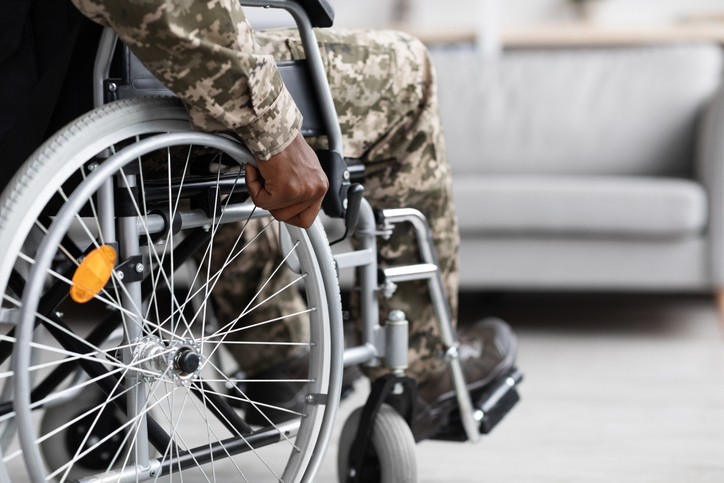
Can you receive VA disability and workers’ compensation at the same time in Illinois?
If you receive service-connected disability through the Department of Veterans Affairs, and you’re then injured in a civilian job, you’re likely able to collect both in full. But if you’re claiming VA disability and workers’ compensation benefits for the same injury, you may face some offsets.
Additionally, you may encounter complications if you’re collecting workers’ compensation and 100% disability due to Total Disability Individual Unemployability (TDIU), as there are stricter income caps.
Why isn’t VA disability usually offset against workers’ compensation benefits?
In most cases, your VA disability benefits are due to a previous injury from military service. These injuries are separate, covered by different funding sources, and will typically not impact each other.
Workers’ compensation is not a long-term program and serves a different purpose than VA disability compensation. VA benefits are due to harm done while on active duty or in service, while Illinois workers’ compensation covers your medical expenses and lost wages from a work-related injury or illness.
When can other disability benefits reduce your total compensation?
If you’re approved for SSDI or other disability benefits, you may find that the combination of workers’ compensation and SSDI exceeds the allowed percentage of your pre-disability income. When this happens, you may find a reduction or pause in other disability benefits.
How do service-connected disability ratings affect what you receive?
In Illinois, your disability rating doesn’t affect what you claim in a new workers’ compensation claim. However, it may provide evidence that your new workplace accident worsened a pre-existing injury.
What should Illinois workers and disabled veterans know about long-term benefits?
If you find yourself trying to negotiate long-term benefits from a work-related injury in addition to collecting VA disability benefits, you may need to pay close attention to the exact terms of your settlement structure, as they must be carefully written to prevent offsets or penalties.
disability payments are often categorized as ‘other income’ under private long-term disability policies, meaning your LTD insurer may reduce your monthly benefit once you start receiving VA payments. Workers’ compensation settlements can trigger a similar offset, depending on how your LTD policy is written
Additionally, if you’re collecting 100% disability benefits through the VA based on a TDIU status, you may need to work closely with an attorney to then claim permanent disability through SSDI benefits without facing additional contradictions or barriers.
Speak with a workers’ compensation lawyer about your benefits
Generally speaking, workers’ compensation benefits shouldn’t affect your VA disability claim unless they overlap or you’re also receiving other income-based benefits. But if your workers’ compensation representative is using VA benefits as justification to reduce your workers’ compensation benefits, it might be time to work with an attorney.
In Illinois, you generally have three years from the date of your injury to file a workers’ compensation claim, so don’t wait until that window closes.
You’ve worked hard and served your country, and you shouldn’t have to fight alone to get the benefits you’ve earned. Contact Horwitz, Horwitz & Associates today by phone at (800) 985-1819 or find us online and schedule your free case consultation, where we can discuss your situation and help you determine your next steps.

