









If you are experiencing lingering effects from a dog bite, or if you have lost a family member to a mauling by a pit bull or other dangerous breed, the Chicago dog bite lawyer at Horwitz, Horwitz & Associates can help. Our firm is dedicated to helping you seek full financial compensation for what occurred.
Man’s best friend can be a source of companionship and comfort, a much-loved member of the family. However, in some circumstances, the animal nature of a dog poses a risk to innocent people. Some people have the misfortune of encountering a dog that has been trained to fight or attack.
We work on contingency, meaning you pay nothing up front at all unless we win. Call 800-985-1819 to get started with a free consultation.
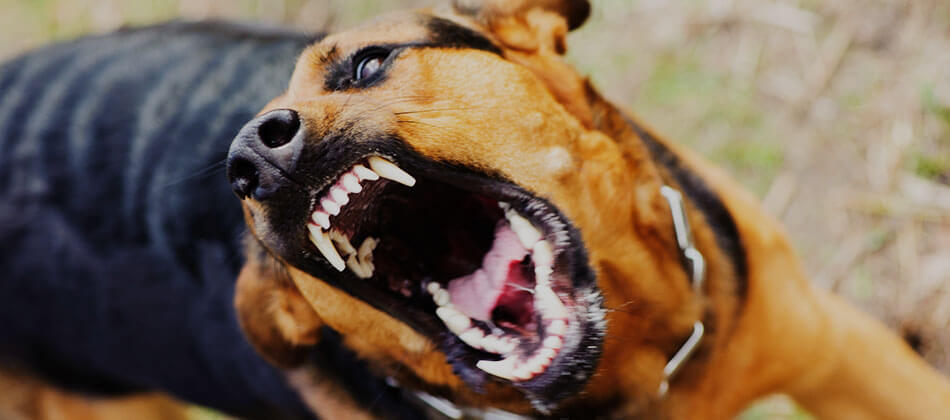
Understanding your rights after a dog bite in Chicago
Illinois law (510 ILCS 5/16) specifically addresses dog bite injuries. If you are on property where you are lawfully allowed to be present, and a dog attacks and injures you, the owner of the dog is liable for your injuries. It does not matter if the attack is as inexplicable to the owner as it was to you.
While the law is quite straightforward, securing a settlement depends to a great extent on how your case is handled. Carefully compiled evidence, documents, witness statements, etc. are necessary to meet legal standards of proof regarding the facts of the case. Weaknesses in this work can have a significant impact on the settlement offered or success at trial.
Horwitz, Horwitz & Associates has served Illinois residents for three generations. We have extensive experience with all aspects of injury cases, from settlements to jury trials. We have helped our clients achieve over $1 billion in compensation for their injuries over our years in practice.
Our Chicago dog bite lawyers can quickly evaluate your dog attack case. We will provide prospects for compensation through a no-cost consultation by phone, or through the “Live Chat” feature on this website. No fees are due until we successfully resolve your case. Along the way, our dog bite attorneys in Chicago will cover all costs associated with building the strongest case possible.
Do I have a dog bite case?
This is a question that is best answered in a consultation with one of our Chicago dog bite lawyers, but some factors can be identified that can add to the strength of a dog bite injury claim:
- The attack has left you with a long-term medical problem, including disfiguring scarring.
- The dog should have been on a leash at the time of the attack.
- The attack occurred on public property.
- The dog that attacked you was of a breed associated with dangerous attacks, such as a Pit Bull or Rottweiler.
- The dog that attacked you has a history of biting or attacking others.
Illinois dog bite laws
Illinois established an Animal Control Act that established the state’s strict liability status. Before, Illinois enforced the “one bite law,” which grants leniency to dog owners during their pet’s first offense. The new act replaced this law with ultimate liability in dog-related accidents. According to Illinois’ Dog Bite Statute, a dog owner is 100% liable for injuries under certain circumstances:
- The owner’s dog successfully attacked or attempted to attack, another individual.
- The individual that the dog attacked was in a location lawfully. Most often this refers to public locations.
- The injured individual did not provoke or threaten the dog.
These conditions apply even when a dog’s owner is not aware of their aggressive or dangerous nature.
Dog owners possess full liability for the injuries an individual sustains under this context, meaning they are responsible for compensating the damages their dog caused. Dog owners can also come under additional fire if they broke any other dog-related laws in the process of the attack.
For instance, Chicago practices strict leash laws that all dog owners must obey. These laws dictate that a dog must remain contained in some way in all public spaces, except in designated dog-friendly areas of parks and beaches. By law, owners that wish to unleash their dogs in their yards must provide some form of perimeter security.
If an accident occurs while breaking the leash law, the dog owner will not only have to address the injured party’s damages, but they will also have to receive the penalties for breaking the leash law. If you have questions about leash laws in a particular county in Illinois and want to explore your legal options, contact us.
The legal process for a dog bite in Chicago, IL
Dog bites fall under personal injury law. In Illinois, a pure comparative fault-based system is employed. This means that victims, no matter how much they contributed to an incident, can still recover for their damages.

Typically, the court assigns a percentage-based rating that designates how much fault each party possesses in causing an accident. In Illinois, any party can file a claim for damages even if their fault rating is above 50%. Though this extreme level of fault is not common in dog bite cases, the state’s overall comparative fault law does help the plaintiff because it allows them to recover compensation even when they contributed to the incident.
Illinois statute of limitations
Each state sets their own statute of limitations. These statutes dictate the claimant’s deadline to file their lawsuit with their local small claims court. They help maintain the relevancy of evidence and witness testimony while also preventing claimants to threaten legal action for an extended time period.
In Illinois, plaintiffs have two years to file their claim. If they don’t file in time, the defendant can request a motion to dismiss the case. Oftentimes, the court honors this request.
The settlement process
Dog bite cases are commonly covered under homeowner’s liability insurance, meaning your claims process will most likely involve the dog owner’s insurance claims adjustors. Dealing with claims adjusters can be tricky because they are known to give claimants the lowest settlement they possibly can. This makes obtaining a Chicago dog bite lawyer crucial when pressing charges. Unless you are a skilled negotiator and organized evidence gatherer, consulting with a dog bite lawyer in Chicago will only help your case.
After negotiating through the mediation process, you can either accept a settlement offer or take the case to court. Taking a case to court indicates that neither party can come to an agreement, enlisting the court to make a determination. This is where fault percentages play out, dictated by evidence and how well-built your case is. During trial, a dog attack attorney plays a crucial role by representing you and presenting your evidence.
After the court makes a determination, payouts take between two and four weeks to process. The average settlement amount for a dog bite case is $42,837. This includes all forms of damage caused by the incident.
Recoverable damages for a dog bite
Plaintiffs can claim several different categories of damage inflicted by the dog attack, including emotional scarring and trauma. Some damages you can recover are:
- Current medical expenses, including the immediate treatment and examination of your injuries and necessary surgery.
- Recurring medical expenses, including physical therapy, prescription medication, and injury-related medical equipment.
- Lost work wages to account for your time spent in recovery.
- Diminished ability to earn when an injury is chronic, causing disability. If an individual cannot perform their job to the same ability, this can impact their ability to effectively maintain their current job rank and/or work the same hours.
- Pain and suffering/emotional distress.
- Mental anguish or trauma caused by the attack.
- Embarrassment and/or humiliation.
A Chicago dog bite lawyer provides insight about the appropriate damages to claim during a lawsuit. They will also help you develop a ballpark figure to ask for in settlement based on your specific damages.
You can recover damages from dog bites and instances of attack within your local court. If you sustained injury from a dog bite, no matter the context, you can file a claim with the help of a skilled attorney. Your attorney will help you receive the fairest settlement by providing experiential knowledge and invaluable resources. If a dog attack causes injury, consult a Chicago dog bite lawyer to discuss your legal options.
Dog bite statistics
According to the American Veterinary Medical Association, each year, more than 4.5 million Americans are bitten by dogs. Almost one in five requires medical attention for their bite. Dog-related accidents contribute to one-third of all insurance liability claims in the U.S. Dog bite incidents are extremely common. Treating dog bite injuries can be expensive, costing dog-bite victims around $18,000 in hospital fees.
Illinois, in particular, exhibits a high incidence of dog bites and other related injuries, placing the state within the top three positions in dog bite frequency every year for at least the last seven years. So far, Chicago seems to possess some of the highest rates of reported dog bites in the country.
Consequences of a dog bite
Dog bites often accompany a full-on attack from the animal. Though dog bites can be the most damaging, they aren’t the only kind of damage that an individual can sustain. Victims of dog attacks are susceptible to several potential injuries
- Puncture and/or tearing wounds caused by bites or clamping
- Scratches and disfiguring scars, most commonly on the face
- Impact-related head injuries if the dog overtakes the individual, causing their head to hit the ground
- Broken bones and/or crushing caused by big dogs that overtake an individual – This also happens when clamping breaks small bones, like those in the hand/arm.
Dog bites are especially dangerous because they carry the threat of disease. Puncture wounds already increase your chances of infection. Coupled with dog saliva and other accompanying bacteria, dog bite victims are at risk for the following infections:
- Rabies
- Pasteurella
- MRSA (staph infection variant)
- Tetanus
These infections can be fatal or severely impairing to individuals who don’t know they’ve contracted the infection or are too slow to seek treatment. Infection is often an unexpected consequence of a dog bite, posing a significant threat to those involved in dog attacks.
Contact us to learn how our Chicago dog bite lawyers can help you
You have the right to seek damages within two years of a dog bite injury, but after that time you no longer have recourse. If you believe you have a case in Illinois, it’s best to call our experienced dog bite lawyers in Chicago well before this window of time closes. In fact, it’s ideal if we can begin our work as soon as possible after the event. Contact us today.
You don’t have to shoulder the burden of your injury without help and support. Horwitz, Horwitz & Associates has an outstanding track record of success in injury cases. Our Chicago personal injury attorneys will do all that we can to pursue compensation at the maximum level. You deserve it.